

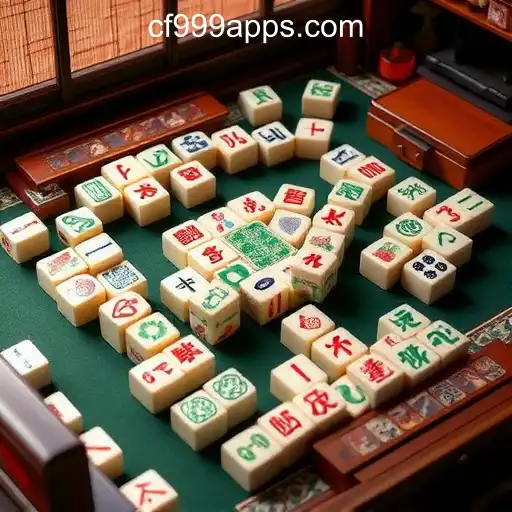
Mahjong: A Classic Game with a Rich Tradition
Mahjong, a game deeply rooted in Chinese culture and history, has captivated players around the world with its blend of skill, strategy, and chance. This timeless game, originating from the Qing dynasty, has evolved into numerous versions across different countries, each adding its unique twist to the original format. Despite the variations, the core of the game remains the same, offering endless entertainment to enthusiasts.
The Origins and History of Mahjong
The exact origins of Mahjong are shrouded in mystery, with several legends attributing its creation to Confucius or ancient Chinese soldiers. While these tales add to its allure, historical evidence suggests that the game's current form emerged in the mid-19th century in China. Mahjong quickly gained popularity in Asia and later spread globally, thanks to its engaging gameplay which requires keen observation and strategic thinking.
Basic Rules and Setup
At its core, Mahjong is a tile-based game played with a set of 144 tiles. Players must try to form specific combinations of tiles to win. The game starts with each player receiving 13 tiles, with the goal of being the first to complete a legal hand of 14 tiles. A typical hand includes a mix of 'pungs', 'kongs', and 'chows', punctuated by a pair. The game is played in rounds, with each round consisting of four hands, one for each wind direction.
Despite its complex appearance, the essence of Mahjong is relatively simple, which can be part of its charm. The fundamental objective is to draw and discard tiles to create a complete, valid hand, a process that involves both skill and a bit of luck.
Variations Across the World
As Mahjong spread globally, it adapted into numerous regional variations, with each culture impressing its unique heritage upon the game. Japanese Mahjong, for instance, is known for its swift pace and includes features such as ‘riichi’ and ‘dora’. American Mahjong, popularized in the United States in the early 20th century, incorporates a card indicating specific winning combinations for each round, adding an exciting twist to the traditional format.
Furthermore, countries like Vietnam, Korea, and the Philippines have also developed their versions, each adding new rules and strategies to the game, enhancing its complexity and appeal for different audiences.
The Impact of Mahjong on Culture and Society
Beyond being a mere game, Mahjong holds significant cultural importance. In Chinese society, it serves as a social activity, bringing together family and friends, often during festivals or gatherings. It plays a role in fostering relationships and is considered a mental exercise that aids in maintaining cognitive health among older adults.
In the West, Mahjong clubs have sprouted in many communities, providing a space for enthusiasts to gather and engage in friendly competition. The game has become particularly popular among older adults, where it is valued not just as a pastime, but also as a means of social interaction and mental stimulation.
Mahjong and Modern Technology
With the advent of technology, Mahjong has seamlessly transitioned into the digital age. Online platforms and mobile apps have made it possible for people to play Mahjong from anywhere in the world. This digitization has introduced the game to a younger audience, ensuring its continued relevance in the modern era.
Platforms such as CF999.COM Oficial Slots Brasil #1 offer players a chance to experience Mahjong and other classic games online, providing access to a diverse range of games and convenient gameplay. The availability of online multiplayer modes has enabled players to connect globally, creating a dynamic community of Mahjong enthusiasts.
Mahjong Tournaments and Competitive Scene
Mahjong tournaments have emerged as popular events, bringing together players from all levels to compete in a test of skill and strategy. These tournaments range from local competitions to international events, demonstrating the game's widespread popularity.
In addition to traditional tournaments, online competitions have gained traction, providing an accessible platform for players globally to showcase their skills. The thrill of competitive Mahjong lies in the necessity of quick decision-making and adaptability, elements that make each game unpredictable and exciting.
The Appeal of Mahjong
Mahjong's enduring appeal can be attributed to its combination of intellect, strategy, and chance. The game offers a satisfying challenge that intrigues both amateur and experienced players, as each session provides a unique experience with different outcomes.
Moreover, the cultural significance and timeless nature of Mahjong contribute to its charm, transcending generational boundaries. Whether played for leisure or competitive purposes, Mahjong continues to resonate with players worldwide, ensuring its place in the pantheon of classic games.
Exploring the Future of Mahjong
As Mahjong continues to grow in popularity worldwide, its future seems brighter than ever. The game's ability to adapt and evolve, while maintaining its core essence, plays a crucial role in its enduring success. In an era where traditional games face stiff competition from digital entertainment, Mahjong remains a steadfast choice for those seeking a mix of relaxation and mental challenge.
With the ongoing embrace of technology and the growing community of global players, Mahjong is poised to captivate new generations, sustaining its position as a beloved pastime for many years to come.
For those keen to explore the intriguing world of Mahjong and its dynamic variations, platforms like CF999.COM Oficial Slots Brasil #1 offer an exciting avenue to experience the game in innovative settings, connecting enthusiasts across regions.